
Seamless-PV drives the implementation of new integrated photovoltaic (IPV) solutions in different market sectors. The objective is to develop advanced manufacturing equipment, processes and digitalisation strategies focusing on glass-glass lamination as well as lightweight composite and polymer-based technologies.
Facing at real industrial environments and different market demands and opportunities, Seamless-PV sets up six pilot line levels and 11 different IPV demo cases across Europe, divided between integration in noise barriers, buildings, electric vehicles, and agriculture.
Semi-automated manufacturing line for BIPV modules
In this summary, we take a look at how the Seamless-PV project improved the product quality and reduced costs of the manufacturing process of the e-PIZ panels (cladding system with PV integrated) produced in Italy by the company PIZ srl.
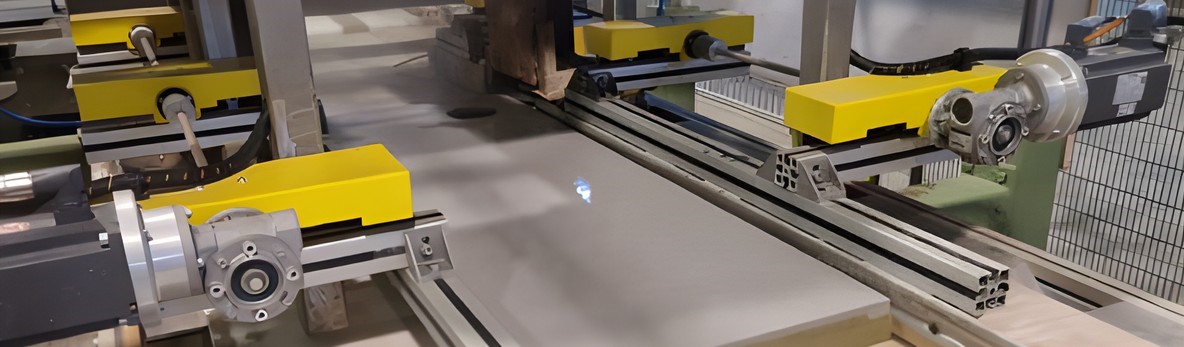
Figure 1: Cutting machine No. 2 after the upgrade done in SEAMLESS-PV
The PIZ Pilot Line Before the SEAMLESS Project
The PIZ pilot line is dedicated to the manufacturing of insulating systems for facade cladding and multifunctional BIPV cladding systems. Previously, the standard production line for PIZ panels (standard cladding) was automated (covering stages such as Raw material storage, Casting, Polymerization, Cutting, Drying). However, the processes related to coupling the PIZ panels with the photovoltaic layers to produce the final e-PIZ panels (the e-PIZ coupling and storage stages) were mainly performed manually by operators in a dedicated work area.
Advantages of automation
Within SEAMLESS-PV, the goal was to add tools to existing machines and automate the previously manual tasks related to the final e-PIZ process. These improvements aim to reduce defects, increase the flatness of the mortar surface, implement new tools in the cutting machines for the junction box and cable housing, and modify the gluing process. The automation of these operations can significantly reduce time and labour requirements. The specific improvements focused on four main pieces of equipment and processes.
Vibrating Power Screed
This machine levels the mortar immediately after casting to ensure a flat finish. Improvements involved controlling elements that affect the finish, such as the direction and type of vibration and the blade inclination. Although the existing vibration configuration proved to be the best for maximum flatness, distance sensors were added to allow the operator to precisely measure the mortar thickness and adjust the blade height, eliminating defects caused by consistency variation. An inclinometer connected to the motor rotor was also added to assist the operator in setting the blade inclination, which is subject to wear.
Thanks to these interventions, the achieved flatness tolerance is less than ±1 mm, considered suitable for e-PIZ production.
Cutting Machine No. 1
This machine cuts the large coupled slabs (mineral wool and mortar) into the final PIZ panel dimensions. The machine was integrated with a cup router to perform the drilling intended for the positioning of the photovoltaic panel's junction box (JB). This operation, previously performed manually, is now carried out automatically via Numerical Control (NC), allowing the panels to be cut and the JB housing to be drilled in a single automated pass, significantly reducing process time.
Cutting Machine No. 2
This machine is used to mill the grooves in the mortar, which are necessary for fixing the panels to the aluminium profiles. To improve the process, the machine was modified by replacing the existing sides with new Numerical Control (NC) sides and adding a blade to mill the housing for the panel's electrical cables. Automating the milling of the grooves for the electrical cables eliminates the time previously required for the manual operation and improves the quality of the cut and the final product. The cycle time for this specific operation has been reduced to zero, as the work is done automatically while the machine performs the other milling operations on the mortar.
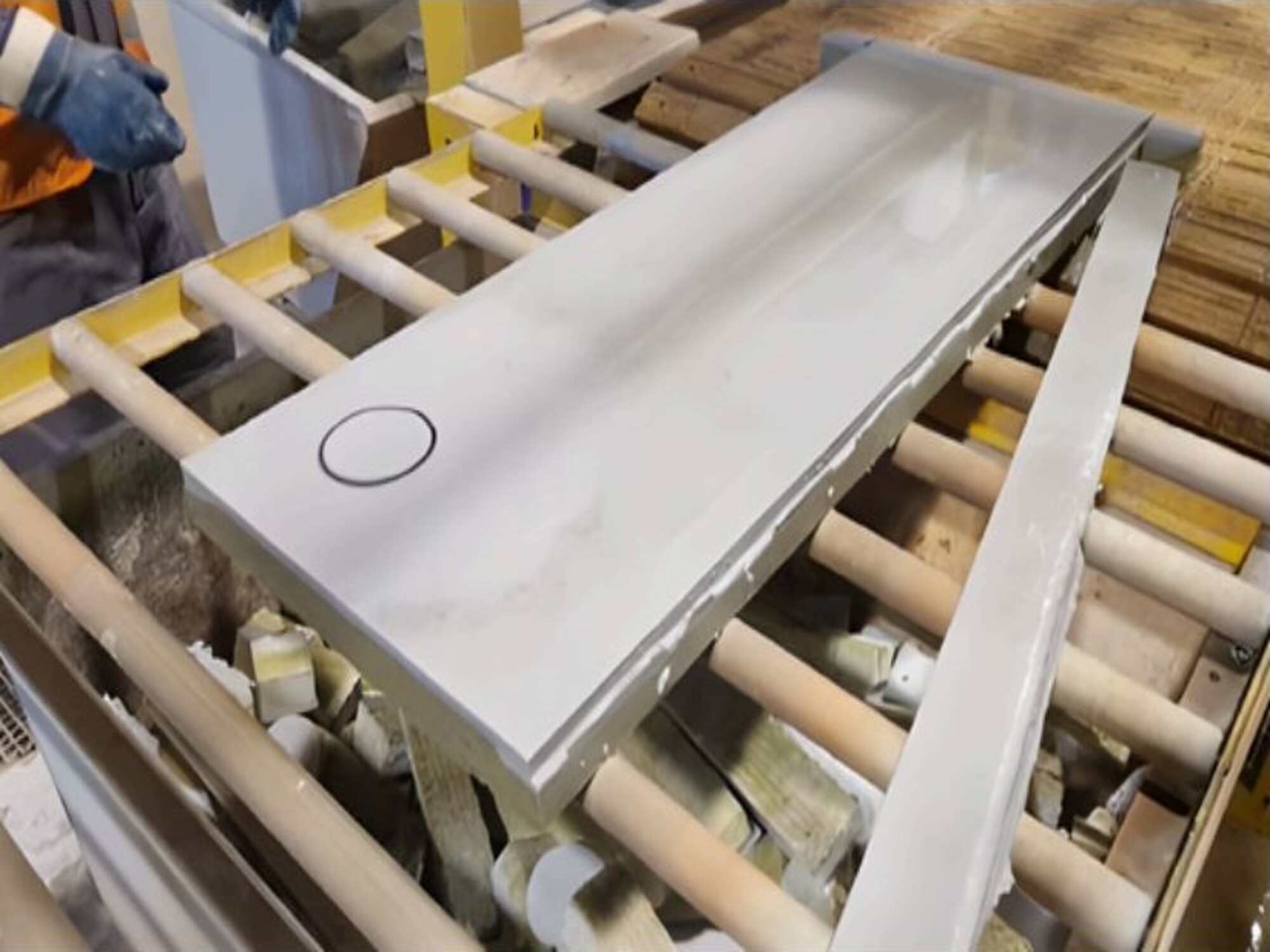
Figure 2: output PIZ panel from cutting machine
Although the proposal to implement an automatic gluing machine was evaluated, this work was not carried out due to the high anticipated costs. A new process for applying the adhesive to the glass is currently being evaluated, seeking to reduce the necessary quantity and maintain the distance between the glass and the mortar as uniform as possible
In conclusion, thanks to the SEAMLESS project, the pilot line has received the implementation of new tools that have increased product quality. The main processes previously manual have been replaced with automated processes, which are capable of significantly reducing cycle times and labor requirements.
Gluing Station
The process of gluing the photovoltaic layers to the PIZ panels is a manual job, performed in a dedicated area, using silicone adhesive. During this phase, a laser projector projects the positions of the cells and the junction box (JB) onto the PIZ panel. The silicone adhesive is applied using a time-controlled dosing system. After application, the glass-to-glass module is positioned, pressed, sealed along the edges, and then left to cure for 24 hours in a temperature and humidity-controlled room.
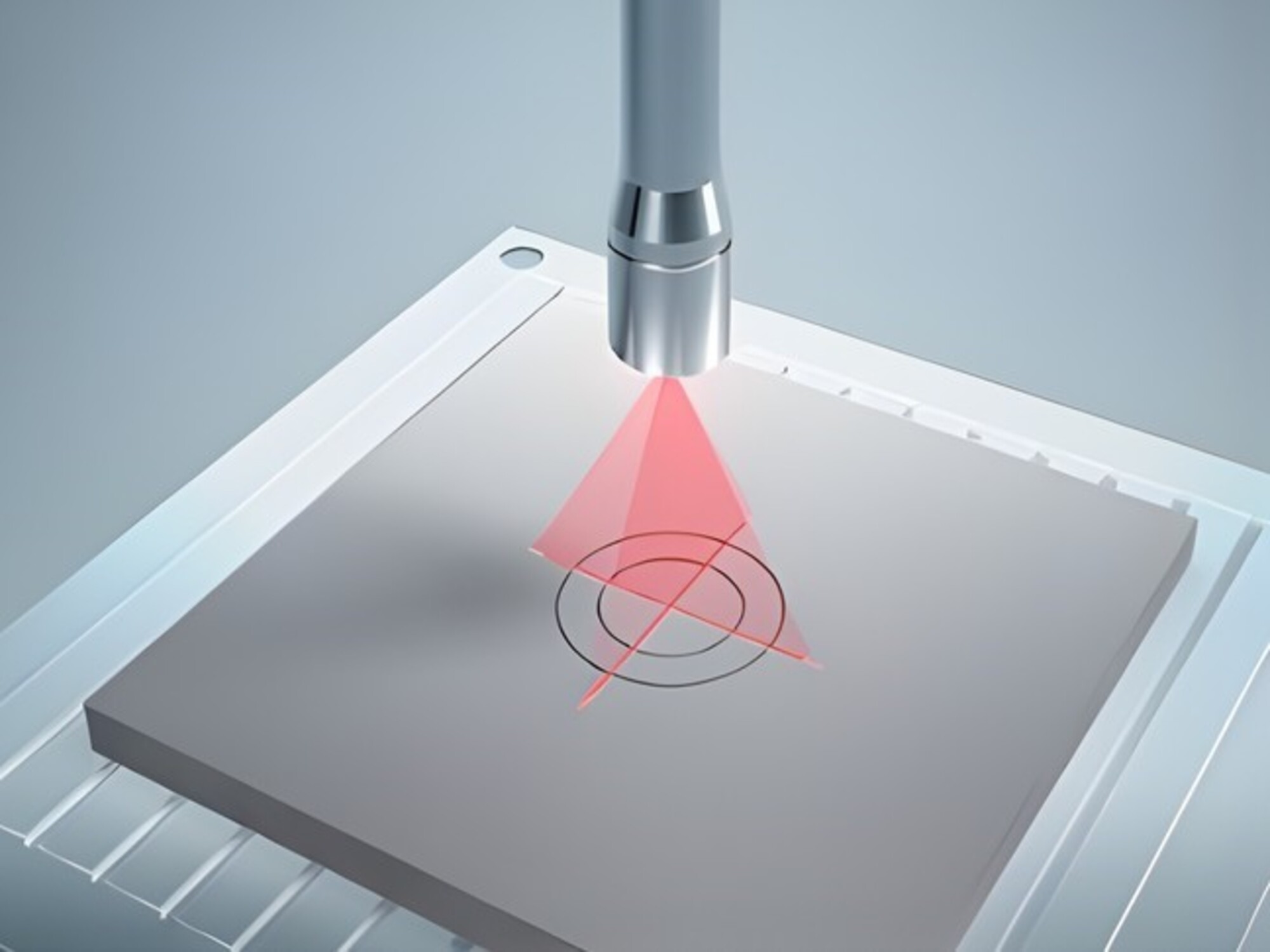
Figure 3: Laser projector for projecting image of cells and JB over PIZ panel
check out all the materials and results available on seamlesspv.eu
Grant N°101096126. Views and opinions expressed are however those of the author(s) only and do not necessarily reflect those of the European Union or CINEA. Neither the European Union nor the granting authority can be held responsible for them.
Latest Articles

PIZ Joins the New Project RECLAIM-PV

New demo site for the Seamless PV project successfully installed


